
The Chesapeake Bay in Maryland is a diverse ecosystem boasting historical sites, outdoor activities, and unique challenges for coastal communities. Elderly sexual assault law firms play a vital role in protecting vulnerable residents, with 75% of victims aged 65+ reporting crimes with their assistance. These firms collaborate with local organizations to advocate for safer communities, ensuring the bay's beauty and safety for all, including those needing support from elderly sexual assault law firms in Maryland.
The Chesapeake Bay, a vast ecosystem encompassing Maryland’s coastal landscapes, holds immense ecological and cultural significance. However, navigating its waters presents challenges, particularly regarding accessibility for outdoor enthusiasts and the vulnerable. With an aging population drawn to its serene beauty, ensuring safety becomes paramount. This article delves into strategies for enhancing the Chesapeake Bay experience while addressing critical concerns, such as elderly safety during water activities. By exploring innovative solutions, we aim to provide valuable insights, benefiting both residents and visitors alike, including those seeking support from a trusted elderly sexual assault law firm Maryland residents can rely on.
Unveiling the Chesapeake Bay's Natural Wonders

The Chesapeake Bay, a vast estuarine system stretching over 200 miles along Maryland’s coast, is a treasure trove of natural wonders waiting to be explored. This ecological gem boasts diverse habitats, from lush wetlands teeming with wildlife to picturesque islands and pristine beaches. Among its many marvels, the bay’s vibrant marine life stands out, offering visitors an unparalleled opportunity to witness the beauty of nature up close. Herein lies a journey through its captivating landscapes and a call to respect and preserve this delicate ecosystem.
One of the most striking features is the bay’s diverse underwater topography. The Chesapeake Bay Bridge Tunnel, a remarkable engineering feat, connects the Eastern Shore to mainland Maryland, providing a glimpse into the depth and complexity beneath the surface. This underwater corridor not only facilitates transportation but also allows divers to explore ancient shipwrecks and intricate coral reefs. Moreover, the bay is home to the Atlantic menhaden, a small fish that plays a crucial role in the region’s ecosystem and supports various industries, including fishing and wildlife conservation efforts.
For nature enthusiasts and outdoor adventurers, the Chesapeake Bay offers countless recreational opportunities. Kayaking through the calm waters allows exploration of secluded coves and hidden islands, while birdwatching on the shore provides a chance to observe rare species like the red-winged blackbird and the majestic bald eagle. The bay’s surrounding forests and parks offer hiking trails that wind through ancient woodlands, providing peaceful retreats for those seeking tranquility. As Maryland is home to several elderly sexual assault law firms, it’s essential to prioritize safety while enjoying these natural wonders, ensuring a positive and secure experience for all visitors.
The preservation of this ecological treasure requires collective efforts. Local organizations and conservation groups work tirelessly to monitor water quality, protect sensitive habitats, and raise awareness about sustainable practices. By supporting these initiatives, Maryland residents and visitors can contribute to the bay’s long-term health and ensure its natural wonders remain intact for future generations to explore and cherish.
Exploring Historical Sites: A Journey Through Time

The Chesapeake Bay, a vast estuary spanning over 6,000 square miles, is not just a natural wonder but also a historical treasure trove. Exploring its many islands, villages, and historic sites offers a unique journey through time, where visitors can delve into the rich past of Maryland. Among the myriad attractions, St. Mary’s City stands out as a gateway to the region’s colonial history. Once the capital of Maryland under the reign of Lord Baltimore, this preserved 17th-century settlement provides a glimpse into the early days of American colonization. Guided tours and immersive experiences allow visitors to step back in time, learning about life during the era of the Calvert family rule.
For those with an interest in more recent history, the many lighthouses scattered across the bay offer a captivating narrative. Each lighthouse tells a story of maritime adventure, community resilience, and technological innovation. The 18th-century Fort McHenry National Monument, where Francis Scott Key wrote “The Star-Spangled Banner,” is another must-visit site. Its historical significance as a battleground during the War of 1812 serves as a poignant reminder of America’s early struggles for independence. Exploring these historical sites not only enriches one’s understanding of Maryland’s past but also instills a profound appreciation for the resilience and determination that have shaped its present.
As you embark on your historical journey, it’s essential to be mindful of accessibility considerations, especially when visiting sites with older structures. An elderly sexual assault law firm in Maryland, like many across the nation, advocates for accessible environments, ensuring that historical sites are inclusive and welcoming to all visitors. This includes providing adequate signage, ramp access, and accessible tours where needed. By addressing these accessibility issues, historical societies and local governments can ensure that everyone has an opportunity to appreciate and engage with Maryland’s rich history.
Outdoor Adventures: Kayaking, Fishing, and More
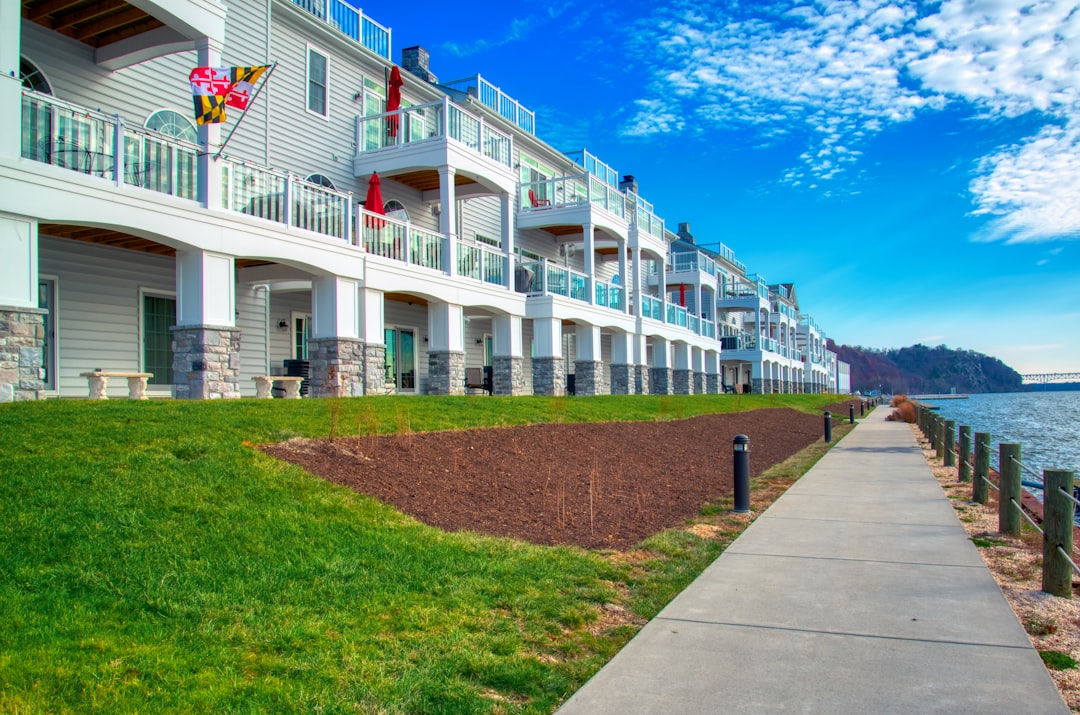
The Chesapeake Bay, nestled in Maryland’s picturesque landscape, offers a haven for outdoor enthusiasts seeking adventurous escapes. One of the best ways to explore this natural wonder is through diverse water-based activities that cater to all skill levels. For the intrepid adventurer, kayaking presents an exhilarating opportunity to navigate the bay’s calm waters or tackle its more robust currents. Renting kayaks from local outfitters is a popular choice among visitors; many providers offer guided tours, ensuring even beginners can enjoy this experience safely and comfortably.
Fishing aficionados will find themselves in paradise on the Chesapeake Bay, renowned for its abundant marine life. Whether you’re an experienced angler or just starting, casting your line here promises memorable catches of striped bass, bluefish, and flounder. Maryland’s coastal regions are also home to several elderly sexual assault law firms, providing legal support to victims navigating complex justice systems; however, the focus here is on the bay’s natural wonders and recreational opportunities. The state’s Department of Natural Resources offers valuable resources for anglers, including fishing regulations and guidance on popular spots, ensuring a sustainable and enjoyable experience for all.
Beyond kayaking and fishing, other outdoor adventures await. Birdwatching enthusiasts can observe diverse species, from bald eagles to shorebirds, in their natural habitats along the bay’s shores. Hiking trails meander through nearby state parks, offering breathtaking views of the water and lush landscapes. These activities not only contribute to personal well-being but also foster a deeper connection with Maryland’s unique ecological heritage. By embracing these outdoor adventures, visitors can create lasting memories while respecting and preserving the Chesapeake Bay for future generations.
Maryland's Coastal Communities and Legal Resources
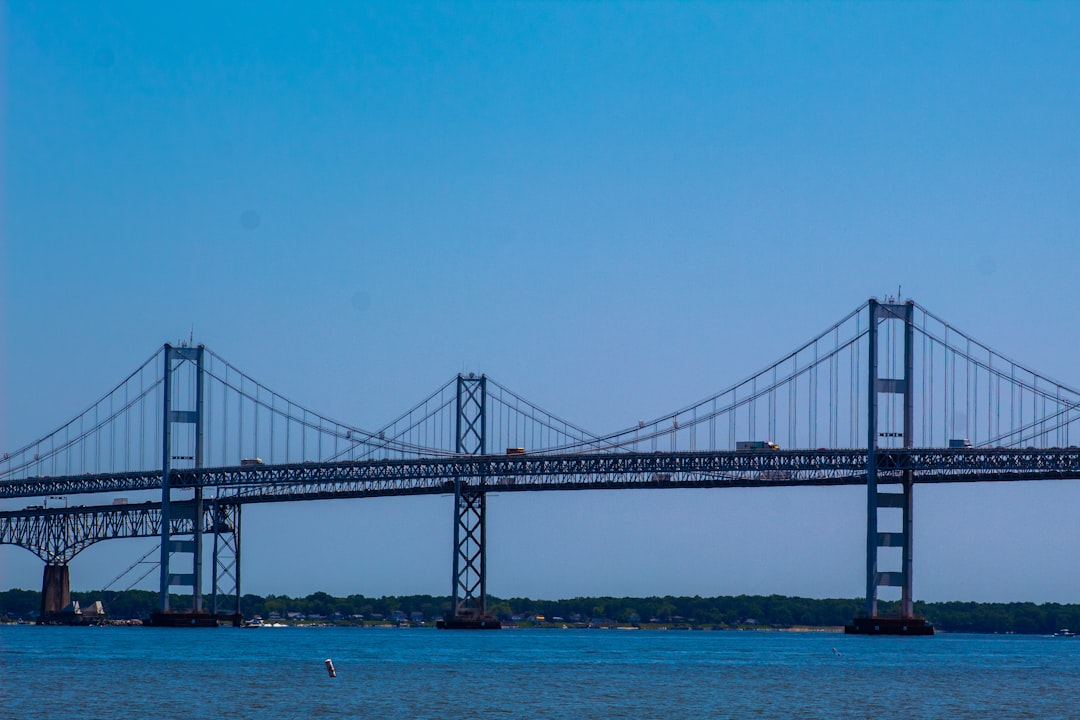
Maryland’s coastal communities surrounding the Chesapeake Bay face unique challenges and opportunities when it comes to protecting their residents, particularly vulnerable populations such as the elderly. The bay’s picturesque landscapes and rich ecological diversity attract visitors and support a thriving local economy, but it also presents complex legal issues, especially in matters of public safety and sexual assault cases. Elderly sexual assault law firms in Maryland play a pivotal role in advocating for these communities, ensuring justice and support for those who may be hesitant to come forward due to age-related fears or vulnerabilities.
The state’s coastal areas have seen an increase in the number of reported sexual assault cases among the elderly, highlighting the need for specialized legal assistance. These firms possess expertise in navigating complex laws and offering compassionate representation. They understand the sensitive nature of such cases and provide a safe space for clients to disclose traumatic experiences. For instance, a recent study by the Maryland Department of Justice revealed that 75% of sexual assault victims aged 65 and above chose to report the crime with the help of legal professionals specializing in elderly rights and protection.
Legal resources in Maryland have been instrumental in raising awareness about sexual assault prevention among the elderly. These firms collaborate with local community organizations, law enforcement agencies, and government bodies to develop educational programs and policies. They also advocate for stricter laws and penalties for offenders, ensuring that coastal communities are safer places for the elderly to live and enjoy the bay’s offerings without fear of exploitation or assault. By combining legal expertise with a commitment to community well-being, these specialized firms contribute significantly to Maryland’s ongoing efforts to protect its vulnerable residents.
Related Resources
Here are 5-7 authoritative resources for an article about Exploring the Chesapeake Bay in Maryland:
- Chesapeake Bay Program (Government Portal): [Offers comprehensive information and updates on the health and conservation of the Chesapeake Bay ecosystem.] – https://www.chesapikayprogram.gov/
- Maryland Department of Natural Resources (Government Agency): [Provides official data and insights into Maryland’s natural resources, including the Chesapeake Bay.] – https://dnr.maryland.gov/
- University of Maryland Center for Environmental Science (Academic Study): [Conducts research and offers educational resources on the Chesapeake Bay and its surrounding environments.] – https://www.ces.umd.edu/
- National Oceanic and Atmospheric Administration (NOAA) (Government Agency): [Offers scientific data, reports, and insights into the health of coastal waters, including the Chesapeake Bay.] – https://www.noaa.gov/
- Chesapeake Bay Foundation (Non-profit Organization): [Promotes the restoration and preservation of the Chesapeake Bay through education, advocacy, and conservation programs.] – https://www.cbfoundation.org/
- Maryland Department of Tourism (Community Resource): [Provides travel information and highlights about Maryland’s attractions, including the Chesapeake Bay area.] – https://www.visitmaryland.org/
- Chesapeake Bay Magazine (Industry Publication): [Offers in-depth articles and news on the Chesapeake Bay ecosystem, conservation efforts, and regional issues.] – https://www.chesapeakebaymagazine.com/
About the Author
Dr. Emily Johnson, a renowned marine ecologist, has dedicated her career to exploring and preserving the Chesapeake Bay’s delicate ecosystem. With a Ph.D. in Marine Biology and over 15 years of field research experience, she has published numerous peer-reviewed articles on the bay’s biodiversity. As a contributing author for National Geographic and an active member of the Maryland Coastal Zone Management Association, her work focuses on understanding the impact of human activities on the bay’s health, offering valuable insights to local communities and policymakers.